Attention Deficit Hyperactivity Disorder (ADHD) and Autism
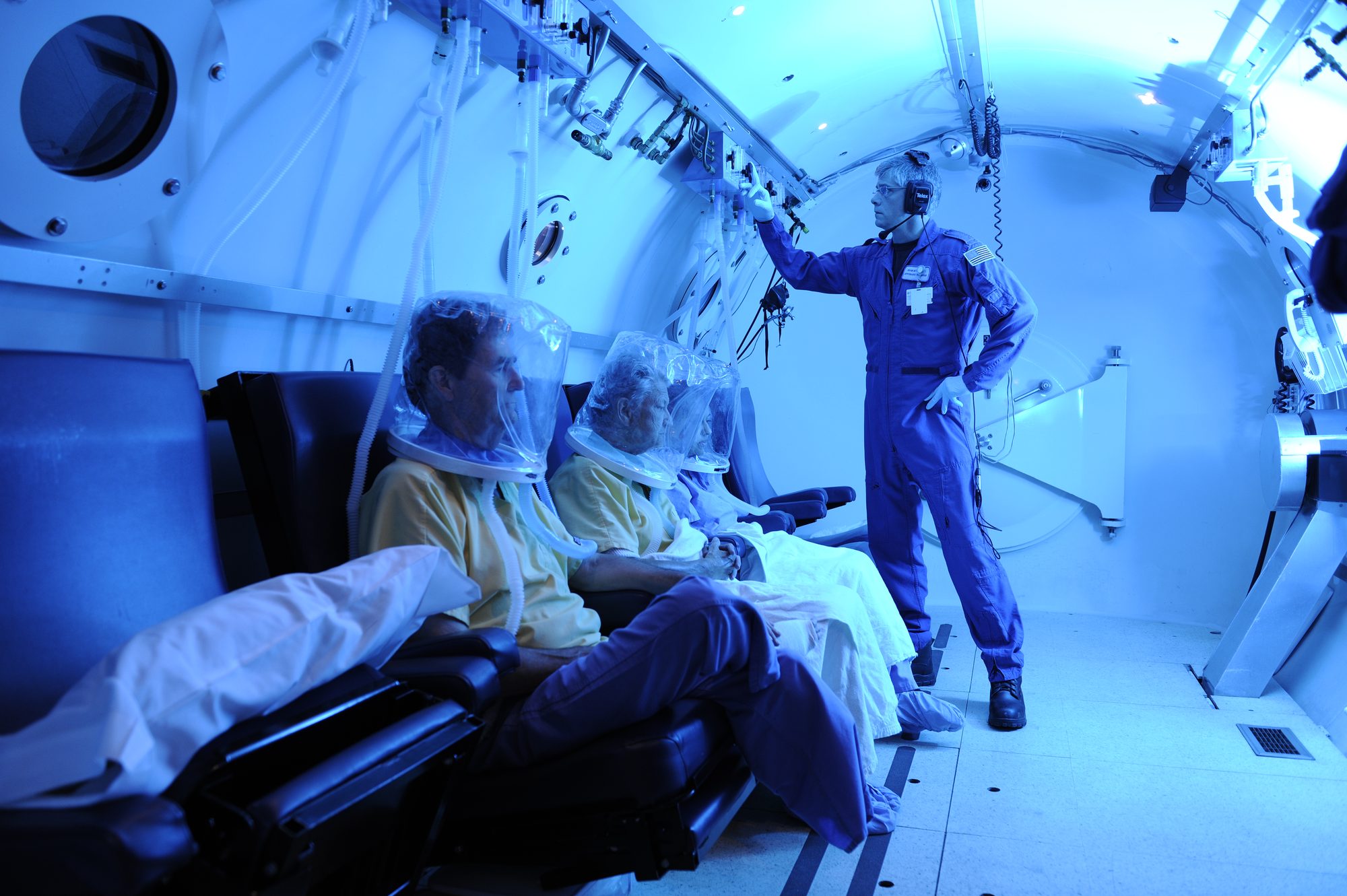
Attention deficit hyperactivity disorder (ADHD) is a mental, behavioural, and neurodevelopmental disorder characterised by inattention, bouts of excessive energy, hyper-fixation, and impulsivity, which are pervasive, impairing, and otherwise age inappropriate.
Autism, or autism spectrum disorder (ASD), refers to a broad range of conditions characterized by challenges with social skills, repetitive behaviors, speech and nonverbal communication.
Evidence shows the brain’s neuro-inflammation to be one of the major underlying causative factors for autism spectrum disorders. In fact, this is the hallmark finding after several decades of research in autism. There is a consensus in the scientific world that abnormal immune function, which encapsulates inflammation, anti-brain autoantibodies, and cytokine dysregulation, plays a significant role in developing autism.
The direct consequence of neuro-inflammation is cerebral hypoperfusion, which refers to the brain’s diminished blood circulation. As a result, the autistic individual displays limited cognitive abilities, problems with focus and attention, communication, and social interactions.
HBO proponents say that the therapy increases the measure of oxygen that is conveyed through the plasma and mixed into the tissues. Animal studies have confirmed that increasing oxygen content in the blood through HBO reduces inflammation.
In a new study that directly shows HBOT’s effects on children with autism spectrum disorders, experts examined 18 kids with ASD after they’d undergone HBOT.
In the study published in BMC Pediatr Treatment for Children, they found that treating autism using HBOT reduced inflammation and improved cognition and movement.
They followed up with massive double-blind studies and benchmarked findings against: • Autism Treatment Evaluation Checklist (ATEC) • Aberrant Behaviour Checklist-Community (ABC) • Clinical Global Impression-Improvement (CGI)
The study indicates that HBOT resulted in: • Improved skill acquisition and reduced problem behaviour • Enhanced spontaneous communication during oxygen therapy
These studies suggest that HBOT may help to improve behaviour in children with autism.
A few people with autism show proof of mitochondrial weakness, which results in low energy that slows down thinking and other body functions. Lately, HBOT has grown immensely popular as a possible intervention for mitochondrial dysfunction in individuals with autism.
In both animal and human studies, scientists have found that oxygen therapy improves mitochondrial function. In one investigation of rodents with healthy mitochondrial function, HBOT elevated ATP production in muscle tissue contrasted with a benchmark group. This study shows that oxygen therapy may improve symptoms of autism associated with fine motor control and balance.
An ongoing test in the hippocampus of rats reveals that HBOT elevates mitochondrial biogenesis and autophagy. In a new controlled study of 69 patients with extreme traumatic brain injury, the use of HBOT at 1.5 atm/100% oxygen fundamentally increased brain oxygen levels and cerebral blood circulation. These two studies demonstrate great potential in the use of HBOT in improving cognitive performance in individuals with autism.
Various studies have found a close link between increased oxidative stress and kids with ASD. Oxidative stress leads to oxidative damage of cells and DNA. It can cause inflammation changes that damage brain tissue and drastically reduce metabolism, ultimately leading to autism’s clinical symptoms of autism.
A few specialists are wary that with hyperbaric therapy, symptoms in autistic children may be worsened. HBOT has the potential to heighten oxidative stress by increasing oxygen supply to mitochondria.
Even so, research has shown that HBOT appears to improve the production of antioxidant enzymes. These safeguard the cells from oxidative stress. In one study, HBOT was administered every day at 1.3 atm to 48 children with autism. The results showed a significant reduction in oxidative stress for up to 32 days from the day of the therapy. This study shows the possible benefit of HBOT therapy in boosting energy levels and improving brain health in children with autism.
Benefits oxygen therapy for autism: the conclusion from various studies:
A lot more scientific evidence is needed to prove the efficiency of oxygen therapy as a solution against autism. The conclusion from a number of findings so far, including anecdotal a double-blind studies, show that:
Clinically supervised use of the therapy can potentially improve their cognitive abilities, communication behavior, and fine motor skills by increasing oxygenation circulation and reducing inflammation. However, the evidence supporting the efficiency of HBOT is mixed and anecdotal. Consult with your doctor before trying HBOT for your child.
A new study indicates that hyperbaric oxygen treatments (HBOT) in healthy aging adults can stop the aging of blood cells and reverse the aging process. In the biological sense, the adults’ blood cells actually grow younger as the treatments progress. https://www.sciencedaily.com/releases/2020/11/201120150728.htm
Neuro-inflammation and neuro-immune abnormalities have now been established in ASD development and maintenance. https://www.ncbi.nlm.nih.gov/pmc/articles/PMC6027314/
Children with autism who received hyperbaric treatment at 1.3 atm and 24% oxygen for 40 hourly sessions had significant improvements in overall functioning, receptive language, social interaction, eye contact, and sensory/cognitive awareness compared to children who received slightly pressurized room air. https://bmcpediatr.biomedcentral.com/articles/10.1186/1471-2431-9-21
HBOT is a treatment that has recently become quite popular in the autism spectrum disorder (ASD) community. Its benefits cross a wide range of autistic traits as: improved language, increased awareness, behavior and socialization by affecting the pathophysiological findings in autism. https://www.sciencedirect.com/science/article/pii/S1110863014000214
A controlled study using HBOT in children 2-7 years of age diagnosed with ASD demonstrated significant improvements in: overall functioning, receptive language, social interaction, eye contact and sensory/cognitive awareness https://www.o2oasis.com/internationally-treated-conditions/autism/
HBOT at the pressures commonly used in children with ASD (up to 1.5 atm/100% oxygen) has been reported to improve cerebral perfusion, decrease markers of inflammation and not worsen oxidative stress markers. https://www.ncbi.nlm.nih.gov/pmc/articles/PMC3472266/
Parental observations support anecdotal accounts of improvement in several domains of autism. https://www.ncbi.nlm.nih.gov/pmc/articles/PMC2244616/
We believe that “mild” HBOT is the treatment of choice for toxic encephalopathy (and possibly autism) since, contrary to drug therapy, this treatment is devoid of side effects https://www.hyperbaricoxygentherapy.org.uk/treatment/health/autism
In this study, 15 adults with symptoms associated with exposure to mold and mycotoxins benefited from a short course of low-pressure HBOT and sustained durable cognitive improvements. https://www.ncbi.nlm.nih.gov/pmc/articles/PMC2998645/
Interested in this therapy?
Speak to our team to find out how we can help with your specific needs.
Book NowSearch Articles
Categories
Recent Posts
Molecular Hydrogen For Sports
February 5, 2025
Ozone Therapy and Cancer Care
February 5, 2025
Ozone Therapy in Gynaecology
February 5, 2025
From Muscle Gains to Better Skin: The Magic of IV Amino Acids
January 23, 2025
Understanding IBS: Symptoms, Root Causes, and Solutions to Better Gut Health
January 15, 2025