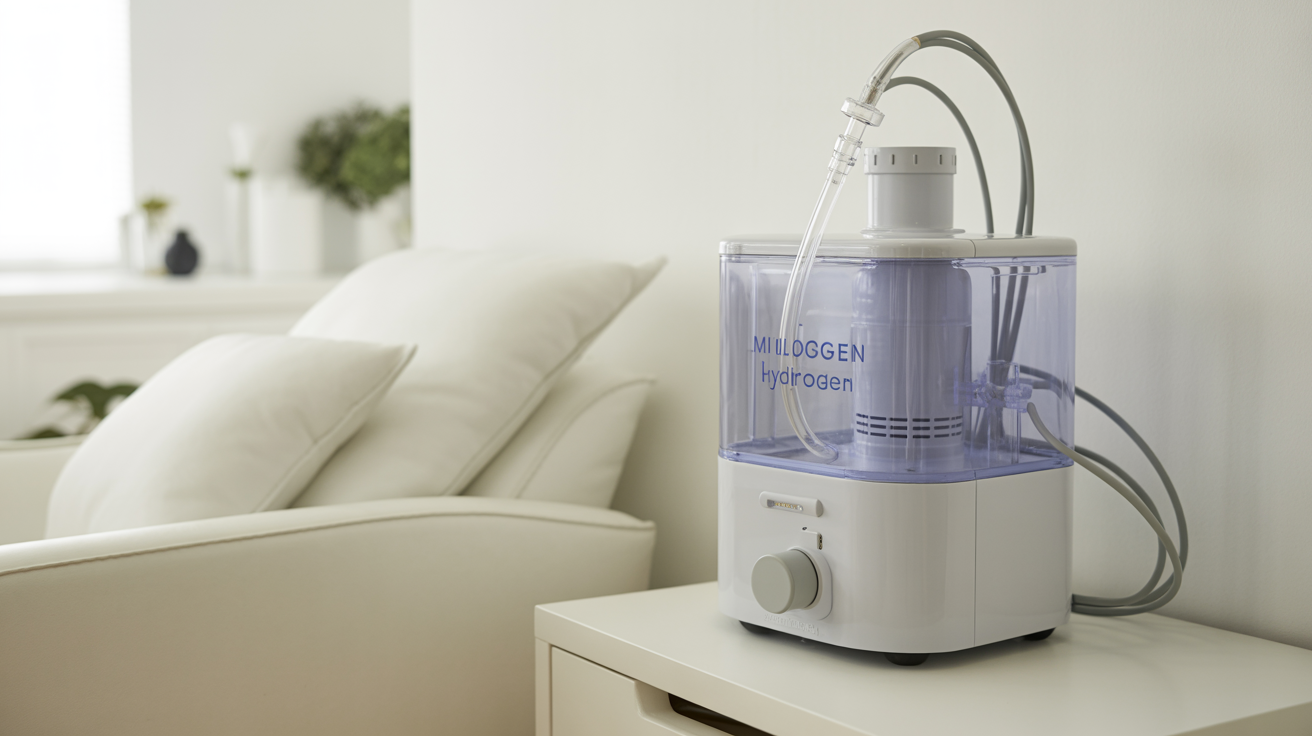
Molecular Hydrogen gas has begun to become a research hotspot in the biomedical field. Hydrogen has also been shown to have therapeutic effects on various diseases such as tumours, sepsis and organ injury.
Hydrogen has been shown to act on a variety of pathways to exert its anti-inflammatory and antioxidant effects in the treatment of chronic lung disease, therefore it may alleviate the severe pulmonary symptoms of COVID-19.
A large number of studies have confirmed that hydrogen has a therapeutic effect on many diseases via inhibiting excessive inflammatory cells and factors.
That using hydrogen as a therapeutic agent against COVID-19 can lead to a significant improvement in the severity of the disease just after two days of use. This includes
Neutrophils, as the first defence part of the innate immunity, are considered to play a protective role upon the bacterial or fungal infection. They kill the bacteria or fungi through phagocytosis and neutrophil extracellular traps.
COVID-19 individuals are showing neutrophil infiltration of the pulmonary capillarities and alveolar cavities, which is associated with the pathogenesis of lung injury. The appearance of neutrophils within the lungs undoubtedly aggravates inflammatory damage to the lung tissue, and such a pathogenesis seen in patients with COVID-19 has been linked to poor prognosis.
Studies have found that inhalation of Molecular Hydrogen gas can reduce the infiltration rate of the neutrophils in the lung tissue, as to alleviate inflammatory damage to the lung tissue in the disease states. After hydrogen inhalation, lung structural damage caused by inflammatory cell infiltration was significantly improved and neutrophil infiltration in the lung interstitium and alveolar space was reduced, therefore survival rate was increased.
Macrophages phagocytose the damaged cells and pathogens in inflammation within the body by releasing the chemokine, leukotrienes and prostaglandins, which in turn attracts more inflammatory cells.
COVID-19 patients exhibit excess activation of macrophages and thus an enriched pro-inflammatory site. Therefore, inhibiting excessive macrophage activation may be an effective way to attenuate inflammatory injury. Scientists showed that by introducing hydrogen to macrophage rich environments, a reduction in the level of pro-inflammatory factors such as TNF-alpha was observed. This anti-inflammatory effect was compounded by data showing an increase in inflammatory suppressing factors such as IL-10.
Cytokines play an important role in regulating the inflammatory cells by binding to the specific receptors on the target cells. Nearly all data on COVID-19 is suggesting that a huge cytokine storm is a critical pillar in the disease pathogenesis.
Hydrogen has been shown across a plethora of clinical studies to reduce the levels of early inflammatory factor TNF-alpha, therefore alleviating the progression of the inflammatory cytokine storm.
Reactive oxygen species are a collective term describing the chemicals formed upon by the incomplete reduction of oxygen such as hydrogen peroxide. This process leads to molecular damage denoted as “oxidative distress”. Excess ROS can directly or indirectly destroy DNA and proteins and induce gene mutations, which are considered to be related to the development of many diseases. ROS are cytotoxic.
Similar to other infectious diseases, large amounts of ROS are released during the COVID-19 process. Hydrogen is a reductive gas with selective antioxidant effects in living organisms. H2 has a very strong scavenging effect on negative ROS whilst maintaining the cells homeostatic concentration of beneficial ROS which play an important role in cell signal transduction. Therefore, H2 only eliminates harmful ROS.
A randomised control trial which included 60 COVID-19 survivors with post-COVID-19 syndrome, with clinical manifestations of chronic fatigue syndrome, was used to evaluate the inhalation of hydrogen for the use of rehabilitation. The 60 survivors were split into two groups, control and treatment group. Biological markers of systemic inflammation, oxygen transport, lactate metabolism, intrapulmonary shunting, 6-minute walk test and vascular endothelial function were determined in all patients. The researchers concluded that inhalation of hydrogen in the rehabilitation program of COVID-19 survivors is safe and a highly effective method. Manifestations of silent hypoxemia and endothelial dysfunction decreased, whilst exercise tolerance increased. Laboratory tests showed a decrease in while blood cell count (inflammatory response).
Molecular Hydrogen, being the smallest molecule, is highly diffusible and is able to permeate through the blood/brain barrier, lipid membranes, cytosolic fluid, and into the cellular organelles. In particular, the small molecular properties of hydrogen ensure that it quickly reaches the alveoli, which suggests a unique advantage for lung diseases.
Interested in this therapy?
Speak to our team to find out how we can help with your specific needs.
Book NowSearch Articles
Categories
Recent Posts
Molecular Hydrogen For Sports
February 5, 2025
Ozone Therapy and Cancer Care
February 5, 2025
Ozone Therapy in Gynaecology
February 5, 2025
From Muscle Gains to Better Skin: The Magic of IV Amino Acids
January 23, 2025
Understanding IBS: Symptoms, Root Causes, and Solutions to Better Gut Health
January 15, 2025