Multiple studies have shown that following cardiovascular surgeries, or cardiovascular arrests, the use of hydrogen resulted in a better outcome for the patient. Additionally, the brain damage which is often associated with cardiac arrest has been shown to be diminished by using hydrogen.
Molecular Hydrogen and Heart AttacksHydrogen treatment was found to significantly reduce the area of damaged heart muscle. Scientists observed that the left ventricular function after heart attack was improved and the hydrogen resulted in a positive effect on the heart remodelling. The positive effects were explained by expression of antioxidant enzymes in the mitochondria. Molecular Hydrogen and StrokeIn a clinical trial, 50 patients were divided into two groups. One group received a conventional medical therapy and the other received daily 3% hydrogen inhalations in addition to the conventional treatment.
Regular MRI studies showed significant reduction in infarct size and a faster normalisation of the tissue damaged by stroke in the hydrogen group. Additionally, the hydrogen-treated patients showed significantly better results in terms of their mobility and their ability to perform activities of daily living. Molecular Hydrogen and The GutThe chronic inflammation that occurs during an inflammatory bowel disorder such as ulcerative colitis could be diminished by the administration of hydrogen. A study found that symptoms like diarrhoea and weight loss were reduced. Furthermore, there was a general cytoprotective effect provided by hydrogen. Molecular Hydrogen and Brain/Nerve DiseasesRecent studies suggest that hydrogen may be able to successfully treat Parkinson’s disease, Alzheimer’s disease, ALS, traumatic nerve injuries and bipolar disorders. A recently published study has shown that hydrogen exhibits cell-protective effects in the central nervous system in diseases caused by oxidative stress.
The researchers have found an increase in glutathione synthesis caused by hydrogen-mediated gene expression
In one clinical trial on 48 patients with Parkinson’s disease, the study found that the group which had a hydrogen intake everyday for 48 weeks showed significantly improved symptoms compared to the control group which showed worsening symptoms. This includes rapid improvement of tremor in the hands and improved mood and anxiety. Molecular Hydrogen and AsthmaMolecular Hydrogen is particularly favourable when considering respiratory medicine because underlying inflammation is known to drive the pathological progress of numerous respiratory conditions, including asthma, Long-COVID and chronic obstructive pulmonary disorder.
In one trial based on an asthmatic model, the scientists indicated that oxidative stress was an important mechanism in the pathogenesis of asthma.
As a result of the Molecular Hydrogen, inflammation was down-regulated which had observable improved effects on the pathophysiology.
Molecular Hydrogen and Oxidative Stress Related DiseasesOxidative stress plays a crucial role in diseases such as ischaemic heart disease, stroke, acute lung injury and inflammatory bowel disease.
During an acute circulatory disorder, tissue damage often follows. Permanent structural damage and functional disorders are the result. The body is only able to repair this damage to a limited extent by itself, and the initial state before the original injury is usually not attainable. Cardiovascular DiseaseMolecular hydrogen is thought to have an inhibitory effect on oxidative stress, thereby attenuating the onset and progression of cardiovascular diseases. Malignant Neoplasms (cancerous tumours)Molecular Hydrogen has been shown to improve the patients’ quality of life and control cancer progression. Chronic Lower Respiratory DiseasesMolecular Hydrogen plays a vital therapeutic role in obstructive respiratory diseases by having significant free radical protective effects. Cerebrovascular DiseasesIncreasing evidence shows that Molecular Hydrogen provides many neuroprotective effects in central nervous system related diseases. Alzheimer’s DiseaseHydrogen has shown great anti-oxidative stress and anti-inflammatory effects in many cerebral disease models. Influenza & PneumoniaHydrogen has been shown to inhibit inflammatory cells and factors mediated by an influenza infections. Diabetes MellitusMolecular hydrogen improves hyperglycaemia and inhibits oxidative stress found in type 2 diabetes. Nephritis (Nephritic Syndrome & NephrosisH2 exhibits selective anti-oxidant, anti-inflammatory activities, and plays a role of mitochondria, immune system and ER stress found in kidney disease.Scientific evidence supports the idea that Molecular Hydrogen gas offers cyto-protective qualities, typically by reducing oxidative stress and attenuating the inflammatory response. These aspects are particularly favourable when considering respiratory medicine because underlying inflammation is known to drive the pathological progress of numerous respiratory conditions, including asthma, Long-COVID and chronic obstructive pulmonary disorder.
Hydrogen has shown potential benefits in over 170 disease models across every organ in the mammalian body and works as a form of hormesis (the exposure to stress to create a benefit).
Hydrogen therapy for inflammation has been proven to repair and rejuvenate many important markers and functions associated with longevity and anti-ageing.
Recent studies indicate that inhalation of Molecular Hydrogen leads to decreased airway resistance and a significant reduction in the expression of pro- inflammatory mediators. This data is imperative to those suffering from Long-COVID syndrome, as well as autoimmune and other inflammatory conditions, as hydrogen therapy for inflammation could be used directly to alleviate disease pathology and symptoms.
Hydrogen has been shown to address many of the current targets of various neurological diseases, such as demonstrating the capability of reducing amyloid-beta cytotoxicity, inflammatory and oxidative stress responses, as well as neuro-inflammation and neuronal apoptosis. In addition, hydrogen also shows significant promise in acute traumatic brain injuries.
Hydrogen holds protective effects against neuro-degeneration. Chronic oxidative stress is widely accepted as one of the causes of neuro-degeneration, including dementia and Parkinson’s Disease. By inhaling hydrogen, oxidative stress is suppressed and cognitive impairment is prevented. In addition, hydrogen restores neural proliferation, as shown in murine models.
Hydrogen is able to act as a specific scavenger of OH and ONOO-. OH and ONOO are very strong oxidants that are incredibly damaging to our nucleic acids, lipids, and proteins. This results in DNA fragmentation, lipid peroxidation, and protein inactivation.
Hydrogen therapy for inflammation administration decreases expression of various oxidative stress markers in all human diseases.
Hydrogen therapy for inflammation has exhibited anti-inflammatory activities in various models, and inhibits oxidative stress-induced inflammatory tissue injury via down-regulation of pro-inflammatory cytokines. H2 has been proven to improve survival rate and reduce organ damage in mice.
Hydrogen has a unique clinical advantage as it may effectively penetrate the bio-membrane to reach the cell nuclei and mitochondria and can easily penetrate the blood-brain barrier by gaseous diffusion. As of March 2017, the number of publications on the biologically or medically beneficial effects of H2 had surpassed 450
It has been demonstrated using miRNA interference and gene knockout studies that hydrogen may activate the Nrf2 pathway, which regulates the transcription of over 200 cytoprotective genes. The activation of the Nrf2 pathway regulates enzymes involving detoxification (e.g., ABCG2, MRP3, MRP4, GST), antioxidation (e.g., NQO1, NQO2, HO-1), antiapoptotic (e.g., Bcl-2), and metabolic (e.g., G6PD, TKT, PPARγ) pathways.
Hydrogen therapy in rodents activated autophagy pathways, increased autophagosomes, autolysosomes, and mitophagy mediated by the PINK1/Parkin signaling pathway.
At The Wellness Lab, we prioritise your safety. Molecular Hydrogen Therapy is generally a very relaxing and safe therapy in the hands of an experienced clinician. Currently, there is no known contraindication to Molecular Hydrogen. However, we will carefully evaluate each person for suitability prior to the session and tailor the sessions based on individual feedback and sensitivities.
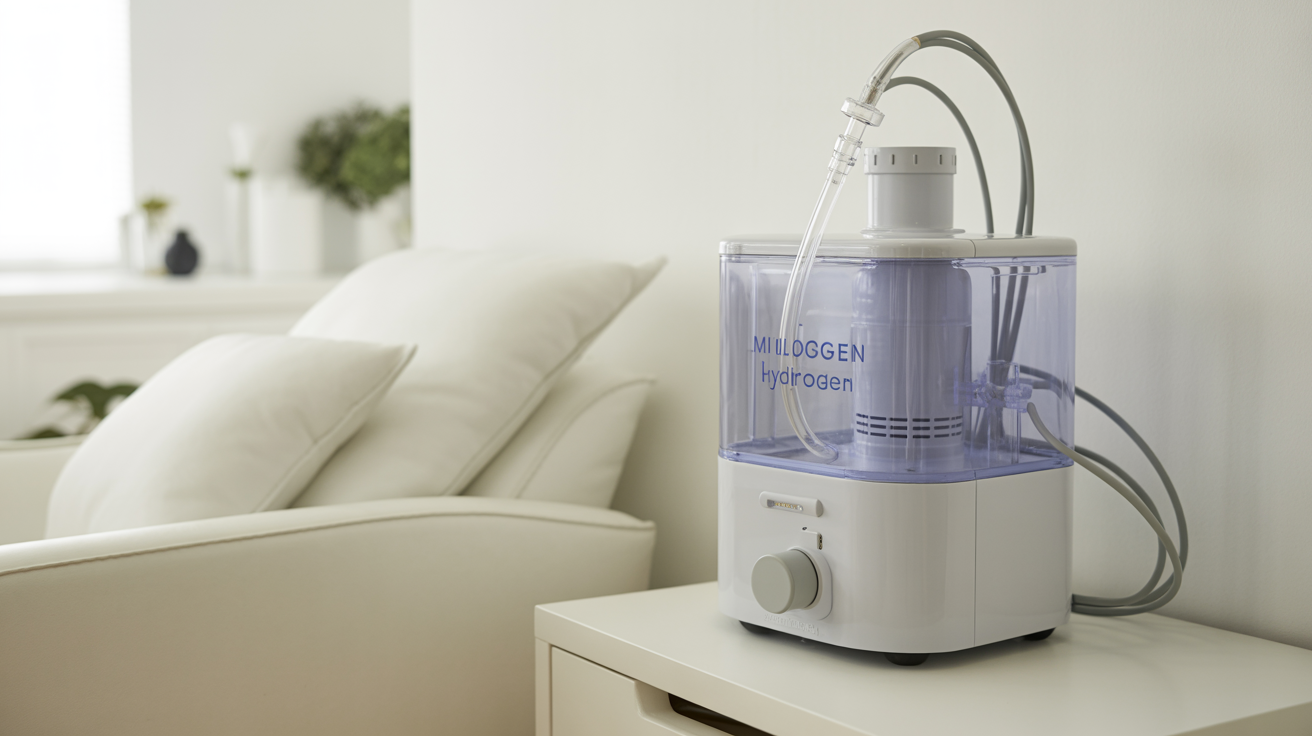
Molecular Hydrogen can be administered through inhalation of hydrogen gas with cannulas or, drinking hydrogen-rich water. With the inhalation method, the hydrogen gas enters into the bloodstream through lungs, preventing organ and cell damage through reducing oxidative stress and free radical damage. Drinking hydrogen-rich water allows for systemic distribution of hydrogen throughout the body. At The Wellness Lab, we offer both options in order to maximise the effects of Molecular Hydrogen. For more information about Molecular Hydrogen, please visit MolecularHydrogenInstitute.org.
Molecular Hydrogen treatment usually takes between 30 or 60 minutes per session depending on your health conditions.
Hydrogen has shown potential benefits in over 170 disease models and over 2000 scientific studies. Molecular hydrogen acts as a potent selective antioxidant, selectively scavenging harmful reactive oxygen species (ROS) and reducing oxidative stress in the body. This antioxidant activity may help protect cells and tissues from oxidative damage, inflammation, and aging-related diseases. Other benefits include:
While Molecular Hydrogen Therapy is generally safe, it’s essential to consult with a healthcare provider before starting any new therapy during pregnancy or breastfeeding to ensure it’s appropriate for your specific situation.
Molecular Hydrogen Therapy is compatible with most therapies. At The Wellness Lab, our clinicians will provide more information and suggest the best treatment for you if Molecular Hydrogen Therapy is not suitable for you. You are welcome to consult with your healthcare provider to discuss any potential interactions or contraindications to Molecular Hydrogen.
Results can vary depending on the individual and the condition being treated. Some may notice improvements in energy levels and overall well-being within a few sessions, while others may require a longer duration to observe significant benefits. It is ideal to have several sessions for cumulative compounded effect for better results.
Molecular Hydrogen Therapy is widely regarded as safe with no known side-effect and contraindication by FDA, but clients with certain medical conditions or those undergoing specific treatments should consult with their healthcare professional to determine if Molecular Hydrogen Therapy is right for them.
Interested in this therapy?
Speak to our team to find out how we can help with your specific needs.
Book NowSearch Articles
Categories
Recent Posts
Molecular Hydrogen For Sports
February 5, 2025
Ozone Therapy and Cancer Care
February 5, 2025
Ozone Therapy in Gynaecology
February 5, 2025
From Muscle Gains to Better Skin: The Magic of IV Amino Acids
January 23, 2025
Understanding IBS: Symptoms, Root Causes, and Solutions to Better Gut Health
January 15, 2025