Long-Covid Syndrome
COVID-19 infection can induce a cytokine storm – an aggressive systemic inflammatory response. This cytokine storm is correlated with lung injury and another unfavourable prognosis. COVID-19 can cause neuro-inflammation which is the cause of local hypoxia (lack of oxygen).
According to Harvard Health Publishing, Harvard Medical School “the hidden long-term cognitive effects of COVID-19 include neurological symptoms, impaired cognition, behaviour and psychological problems.
HBO has been shown to help ameliorate both acute and chronic inflammatory conditions by reducing pro-inflammatory cytokine release. Studies suggest that HBO has the ability to reverse hypoxia, reduce neuro-inflammation and improve tissue oxygenation. HBO is a potent virucidal, meaning it has the ability to kill COVID-19 viral cells. HBO has been shown to reduce coagulation factors to effectively address the increased clotting that COVID can create.
Contact Us
Common symptoms of Long COVID-19 may include combination of the following:
Hyperbaric Oxygen and Long Covid
Hyperbaric oxygen therapy (HBOT) is a holistic therapy that involves breathing 100% oxygen in a pressurised chamber, significantly increasing the amount of oxygen delivered to the body’s tissues. While commonly associated with wound healing and decompression sickness, Oxygen therapy has shown remarkable benefits for individuals with Long Covid symptoms. By improving oxygenation, reducing inflammation, and supporting lung function, Oxygen therapy offers a range of therapeutic advantages that can enhance quality of life for patients with chronic respiratory illnesses. Below are some of the key benefits of oxygen therapy for Long Covid.
Improved Oxygen Delivery to Tissues:
Oxygen therapy for Long Covid enhances the delivery of oxygen to tissues throughout the body. For individuals with Long COVID, oxygen deprivation or hypoxia (low oxygen levels) in various tissues, including the brain and muscles, could be a contributing factor to many symptoms such as fatigue, brain fog, and muscle weakness. By increasing oxygen levels in the blood, Oxygen therapy may help improve energy levels, support cellular repair, and reduce inflammation, which can aid in the recovery of affected tissues.
Reduces Inflammation:
Chronic inflammation is believed to play a significant role in Long COVID, as the immune system remains overactive or dysregulated even after the virus has been cleared. Oxygen therapy for Long Covid has been shown to reduce inflammation by increasing the oxygen available to immune cells, which helps modulate the immune response and improve the healing process. By promoting a more balanced immune function, oxygen therapy for Long Covid could potentially reduce symptoms like muscle pain, joint pain, and general inflammation that many Long COVID patients experience.
Enhances Mitochondrial Function:
Mitochondria are the energy powerhouses of cells, and they play a critical role in energy production. Long COVID has been linked to mitochondrial dysfunction, which can contribute to the profound fatigue many sufferers report. Oxygen therapy has been shown to improve mitochondrial function by increasing the amount of oxygen available for energy production at the cellular level. As a result, this could lead to a reduction in fatigue and an improvement in overall energy levels.
Neuroprotection and Cognitive Function:
Oxygen therapy promotes neuroprotection and enhancing brain function. The increased oxygen levels in the brain during HBOT sessions can stimulate the growth of new neurons and improve neuroplasticity, the brain’s ability to adapt and repair itself. Research has indicated that HBOT can support recovery from brain injuries, and its use in treating Long COVID-related cognitive issues shows promise in improving memory, concentration, and mental clarity.
Ozone and Long Covid
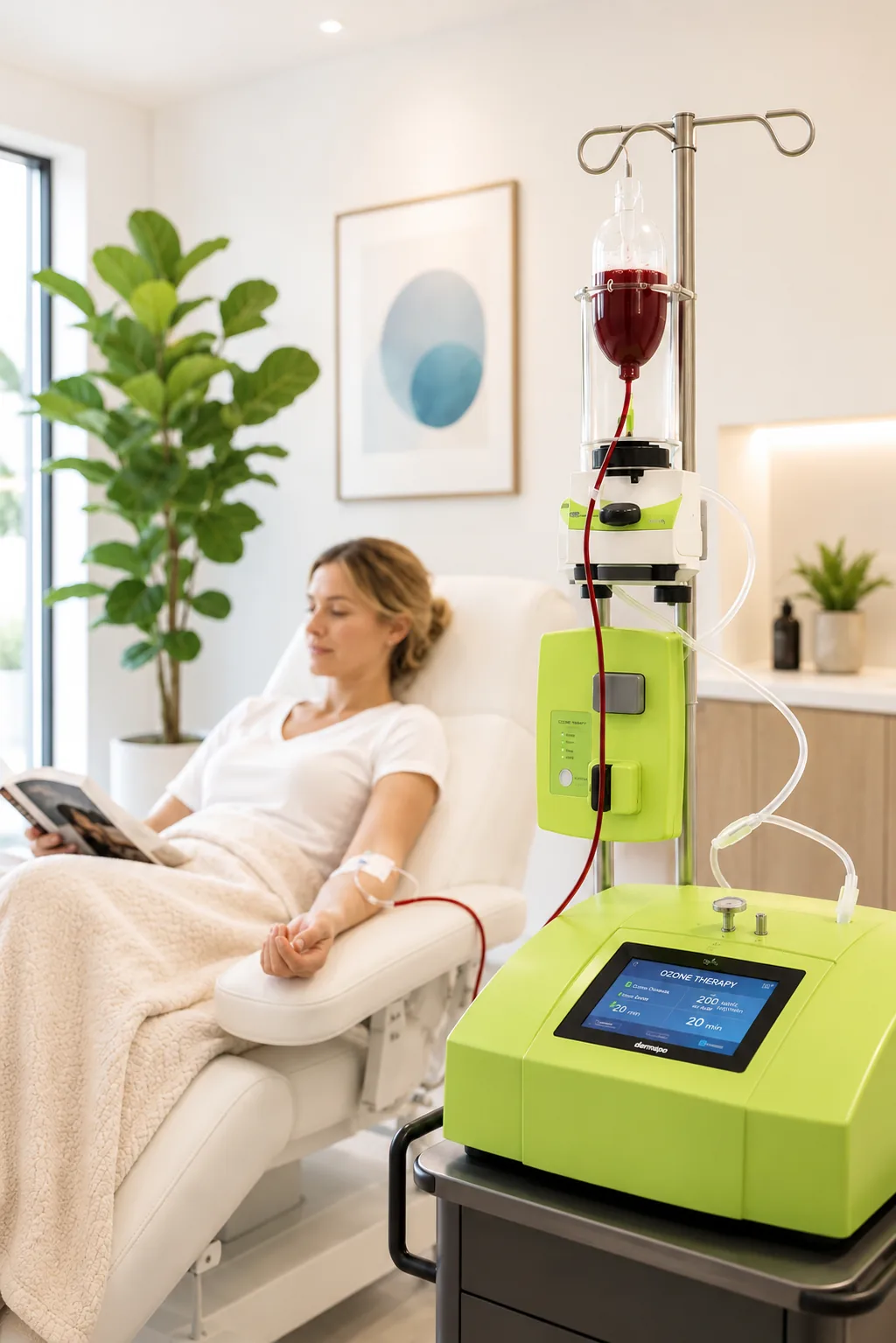
Ozone Therapy involves infusing the blood with ozone gas, composed of 3 molecules of oxygen, or administering Ozone gas via a tube. This stimulates the immune system and reduces oxidative stress and inflammation. Ozone therapy enhances oxygen delivery to tissues, improves red blood cell function, boosts immune response, and stimulates the body’s natural healing processes, aiding in Long Covid symptoms management.
Improved Oxygen Utilisation and Energy Levels:
Ozone therapy has been suggested to improve the body’s use of oxygen. By increasing the availability of oxygen at the cellular level, ozone therapy for Long Covid may help combat fatigue by supporting cellular respiration and energy production. This is particularly important for patients suffering from energy depletion due to mitochondrial dysfunction, which has been observed in some individuals with Long COVID.
Detoxification and Antioxidant Effects:
Ozone therapy for Long Covid may help with detoxification by increasing the body’s antioxidant defences and enhancing the elimination of toxins. Chronic exposure to oxidative stress, such as that caused by an overactive immune response during Long COVID, can lead to cellular damage. Ozone therapy promotes the body’s natural antioxidant enzymes, which help neutralise harmful free radicals and reduce oxidative damage. This can be particularly beneficial for reducing the cellular stress that may be contributing to persistent symptoms of Long COVID.
Modulates Immune System:
Ozone therapy is believed to have immunomodulatory effects, meaning it can help adjust immune responses that are either too weak or too strong. For people with Long COVID, who may have an overactive or malfunctioning immune system, ozone therapy could help restore balance, potentially reducing symptoms such as brain fog, chronic fatigue, and systemic inflammation.
Chronic inflammation is a common feature of Long COVID, and it is thought to play a significant role in ongoing symptoms such as joint pain, muscle aches, and fatigue. Ozone therapy for Long Covid is known for its anti-inflammatory properties. It works by stimulating the production of antioxidants and promoting the release of signalling molecules that help regulate the immune response. By reducing inflammation, ozone therapy may help alleviate the pain and discomfort associated with Long COVID and promote faster recovery from the lingering effects of the virus.
IV Drips and Long Covid
IV drip therapy for Long COVID typically involves delivering a combination of fluids, vitamins, and nutrients directly into the bloodstream to address deficiencies, rehydrate the body, and promote recovery. This direct delivery method ensures that the body receives higher concentrations of the necessary nutrients than what can be achieved through oral supplementation. Long COVID, or post-acute sequelae of SARS-CoV-2 infection (PASC), is a condition where individuals continue to experience symptoms like fatigue, brain fog, joint pain, muscle aches, and respiratory problems long after recovering from the acute phase of COVID-19.
Promotes Faster Recovery:
IV drip therapy can speed up recovery by ensuring that the body receives the necessary nutrients and fluids it needs for healing. This is especially important for individuals with Long COVID who may have difficulty absorbing nutrients from food or supplements due to gastrointestinal issues, fatigue, or a weakened immune system. The direct delivery of essential vitamins, minerals, and amino acids helps accelerate the healing process, reducing recovery time and promoting overall wellness.
IV drips can support detoxification processes by delivering antioxidants like glutathione directly into the bloodstream. Glutathione is a potent antioxidant that helps neutralize free radicals and supports the liver in detoxifying harmful substances from the body. For Long COVID patients, who may experience a buildup of toxins and metabolic waste due to ongoing inflammation and impaired detoxification pathways, glutathione IV therapy can help support overall detoxification and reduce the burden on the liver.
Supports Immune System:
Long COVID is often associated with immune dysregulation, where the immune system remains activated even after the acute infection has passed. IV drips can help support the immune system by providing nutrients like vitamin C, zinc, and vitamin D, all of which are vital for immune function. Vitamin C is an antioxidant that helps protect cells from oxidative stress, while zinc is involved in immune cell function and regulation. Vitamin D has been shown to play a key role in modulating the immune response, and its deficiency is linked to a higher risk of severe illness and lingering symptoms after viral infections.
Inflammation is a key factor in the development and persistence of Long COVID symptoms. Chronic inflammation can lead to tissue damage and exacerbate fatigue, pain, and cognitive dysfunction. IV drips containing high doses of antioxidants, such as vitamin C and glutathione, can help reduce oxidative stress and inflammation in the body. These antioxidants neutralize free radicals that cause cellular damage and inflammation, potentially helping to alleviate symptoms like joint pain, muscle soreness, and brain fog.
Molecular Hydrogen and Long Covid
Research suggests that molecular hydrogen has powerful antioxidant and anti-inflammatory properties, and its therapeutic use is being explored in several chronic conditions, including Long COVID. The therapy typically involves the inhalation of hydrogen gas or consumption of hydrogen-rich water to deliver the gas into the body. Molecular hydrogen helps combat oxidative stress and inflammation, which are common drivers of respiratory diseases. By protecting lung cell damage and improving lung function, it offers a natural and effective approach to managing and alleviating symptoms of Long Covid.
Boosts Energy and Reduces Fatigue:
Chronic fatigue is one of the most debilitating symptoms of Long COVID, affecting individuals’ ability to function in daily life. As oxidative stress and mitochondrial dysfunction are believed to contribute to fatigue, molecular hydrogen may be helpful by enhancing mitochondrial function. Mitochondria are the energy powerhouses of cells, and their ability to produce energy is impaired during periods of oxidative stress. By reducing oxidative damage and promoting healthy mitochondrial function, hydrogen therapy could help restore energy levels and reduce fatigue in individuals with Long COVID.
Inflammation is another key feature of Long COVID, with many patients experiencing persistent systemic inflammation even after recovering from the acute phase of the infection. Molecular hydrogen has been shown to exert anti-inflammatory effects by modulating the expression of pro-inflammatory cytokines (signalling molecules that promote inflammation). By reducing inflammation, molecular hydrogen may help alleviate symptoms like joint pain, muscle aches, and headaches, which are commonly reported by individuals with Long COVID.
Improves Recovery and Healing:
Many people with Long COVID experience muscle pain, joint stiffness, and other musculoskeletal symptoms that can interfere with their ability to perform everyday activities. Because molecular hydrogen has been shown to accelerate tissue repair and promote cell regeneration, it may aid in the recovery of damaged tissues and promote healing. By reducing inflammation and oxidative damage, hydrogen therapy can support the repair of muscle and joint tissues, helping patients recover from the lingering effects of COVID-19.
Reduces Oxidative Stress:
Oxidative stress is a major driver of inflammation and cellular damage in Long COVID patients. Many individuals with Long COVID experience symptoms such as fatigue, brain fog, muscle pain, and cardiovascular problems, all of which have been linked to elevated oxidative stress. Molecular hydrogen can act as a potent antioxidant, scavenging free radicals and reducing oxidative damage. By minimising oxidative stress, hydrogen therapy may help alleviate symptoms like chronic fatigue, muscle soreness, and cognitive dysfunction.
Photobiomodulation and Long Covid
Photobiomodulation (PBM) therapy, also known as low-level laser therapy (LLLT) or red light therapy, has been increasingly investigated for its potential benefits in managing Long COVID symptoms. PBM involves the use of light, typically in the red or near-infrared spectrum, to stimulate biological processes at the cellular level. The therapy works by delivering light energy to tissues, which is absorbed by cells and used to enhance cellular function and promote healing. In the context of Long COVID, PBM is being explored for its ability to reduce inflammation, improve energy production, support tissue repair, and address several symptoms commonly seen in individuals with Long COVID, such as fatigue, brain fog, muscle pain, and difficulty breathing.
Chronic inflammation is a hallmark of Long COVID, and many patients experience persistent symptoms such as joint pain, muscle aches, headaches, and fatigue due to ongoing inflammation. PBM therapy has anti-inflammatory effects, as it can reduce the levels of pro-inflammatory cytokines in the body. By decreasing inflammation, PBM can help alleviate common Long COVID symptoms, including pain and general discomfort.
Increases Cellular Energy Production:
One of the most debilitating symptoms of Long COVID is fatigue. Many patients report feeling constantly tired, even after rest. This fatigue may be linked to mitochondrial dysfunction, which affects the body’s ability to generate energy at the cellular level. PBM therapy helps improve mitochondrial function by stimulating the production of ATP, the energy currency of cells. As a result, PBM can boost energy levels, reduce fatigue, and improve overall cellular health. This is especially helpful for Long COVID patients experiencing chronic fatigue.
Enhances Tissue Repair & Regeneration:
Some individuals with Long COVID may experience lingering symptoms due to damage to tissues and organs, including the lungs and muscles. PBM therapy promotes tissue repair by stimulating cellular regeneration and collagen production. It also accelerates wound healing and reduces scar formation. For Long COVID patients who are recovering from physical damage due to the infection, PBM can be a supportive therapy for healing damaged tissues and restoring normal function.
Improves Microcirculation and Oxygenation:
Some Long COVID patients experience shortness of breath, reduced lung capacity, and difficulty breathing. PBM therapy can help improve circulation by stimulating the dilation of blood vessels, which increases blood flow to tissues and organs. Enhanced blood flow can support better oxygen delivery to the lungs, muscles, and brain, potentially improving respiratory function and alleviating symptoms related to oxygen deprivation.
Read our blog for more information on long-COVID including the newest research into the field
” Hyperbaric alleviated the symptoms of long-COVID like perpetual headaches, fatigue, brain fog and incognancy trouble. After just a few sessions all symptoms have noticeably improved Gez Medinger Google review
The Mechanisms of HBO on Long-COVID
Downregulation of Inflammatory Cytokines
Research also suggests suppression of pro-inflammatory IL-1 family members and IL-6, which has been shown to have a therapeutic effect in many inflammatory diseases, including viral infections.
COVID-19 has been shown to raise IL-6 which is in turn linked to the genesis of pulmonary fibrosis, which is linked to the symptoms many individuals are suffering from.
Tissue Oxygenation
During HBO, tissue oxygenation can be increased by 25-30 times.
Utilising the simple law of diffusion, the high quantity of oxygen while breathing Hyperbaric Oxygen transfers from the capillary to the mitochondria in all tissues, overpassing blockage/narrowing of blood vessels.
Cell Recruitment
HBO has been shown to induce cell mobilisation from their storage at the bone marrow to the blood stream, and from there to the entire body tissues.
Cells mobilised by HBO home in on tissues that have suffered damage and signal a need for regeneration.
HBO induces the differentiation of cells to the different tissues, such as heart, lung, muscle, kidney and brain.
Mitochondria
HBO has been proven to induce mitochondrial function restoration both in animal and human studies.
The mitochondria in our cells sense the change from normal oxygen levels to high oxygen levels, back to normal oxygen levels. This is named the Hyperoxic-Hypoxic paradox.
During this process, a key molecular mediator is triggered called hypoxic induced factor 1alpha (HIF).
When triggered, HIF unleashes several processes to cope with the Hyperoxic-Hypoxic paradox stress.
Once HIF levels are high (an event probable after many Hyperbaric Oxygen sessions), many of the regenerative processes and anti-inflammatory mechanisms are initiated.
Regeneration of Blood Vessels
The release of HIF in high concentration initiates a cascade of events including triggering of another molecule – vascular endothelial growth factor (VEGF) and stem cell recruitment.
This event leads to the generation of new blood vessels (angiogenesis).
These new blood vessels are formed in tissues where normal blood flow was previously decreased, thus preventing hypoxia.
View the Studies
HBOT can induce neuroplasticity and improve cognitive, psychiatric, fatigue, sleep and pain symptoms of patients suffering from post-COVID-19 condition. HBOT’s beneficial effect may be attributed to increased brain perfusion and neuroplasticity in regions associated with cognitive and emotional roles.. www.nature.com/articles/s41598-022-15565-0
In this study, HBO2 helped to improve symptom scores, reduce the length of time of symptoms, and improve the quality of life. https://pubmed.ncbi.nlm.nih.gov/36001566/
findings of this study support the safety and efficacy of HBO 2 in the treatment of COVID-19 and severe hypoxaemia. https://pubmed.ncbi.nlm.nih.gov/34907003/
Hyperbaric Oxygen therapy (HBOT) treatment will be provided to patients as an adjunct to standard therapy for a cohort of 40 COVID19-positive patients with respiratory distress at NYU Winthrop Hospital. https://clinicaltrials.gov/ct2/show/NCT04332081
Our results demonstrate the safety of Hyperbaric Oxygen among COVID-19 patients and strongly suggests the need for a well-designed, multicenter randomized control trial https://pubmed.ncbi.nlm.nih.gov/32931666/
The aim of this study is to compare the effect of HBOT vs. Sham on post COVID-19 syndrome https://clinicaltrials.gov/ct2/show/NCT04647656
This case series describes COVID-19 symptoms persisting a mean of 60 days after onset among Italian patients previously discharged from COVID-19 hospitalization. https://pubmed.ncbi.nlm.nih.gov/32644129/
COVID-19 can result in prolonged illness, even among young adults without underlying chronic medical conditions. https://www.ncbi.nlm.nih.gov/pmc/articles/PMC7392393/
The purpose of the current study is the evaluate the efficacy of HBOT in moderate-severe COVID-19 patients in a randomized controlled manner. https://clinicaltrials.gov/ct2/show/NCT04358926
Interested in this therapy?
Speak to our team to find out how we can help with your specific needs.
Book NowSearch Articles
Categories
Recent Posts
Molecular Hydrogen For Sports
February 5, 2025
Ozone Therapy and Cancer Care
February 5, 2025
Ozone Therapy in Gynaecology
February 5, 2025
From Muscle Gains to Better Skin: The Magic of IV Amino Acids
January 23, 2025
Understanding IBS: Symptoms, Root Causes, and Solutions to Better Gut Health
January 15, 2025