Maintaining a healthy liver is crucial for detoxification and metabolic processes. Ozone therapy holds promise in promoting liver health and addressing various liver conditions.
Ozone therapy involves administering ozone, a naturally occurring gas of three oxygen atoms, to stimulate healing and improve bodily functions. This can be done via various pathways, including Major Autohemotherapy (IV), Rectal Insufflation, Ozonated Water, and Limb Bagging. Ozone interacts with cells, promotes oxygen utilization, modulates immune responses, and exerts various biological effects that improve health.
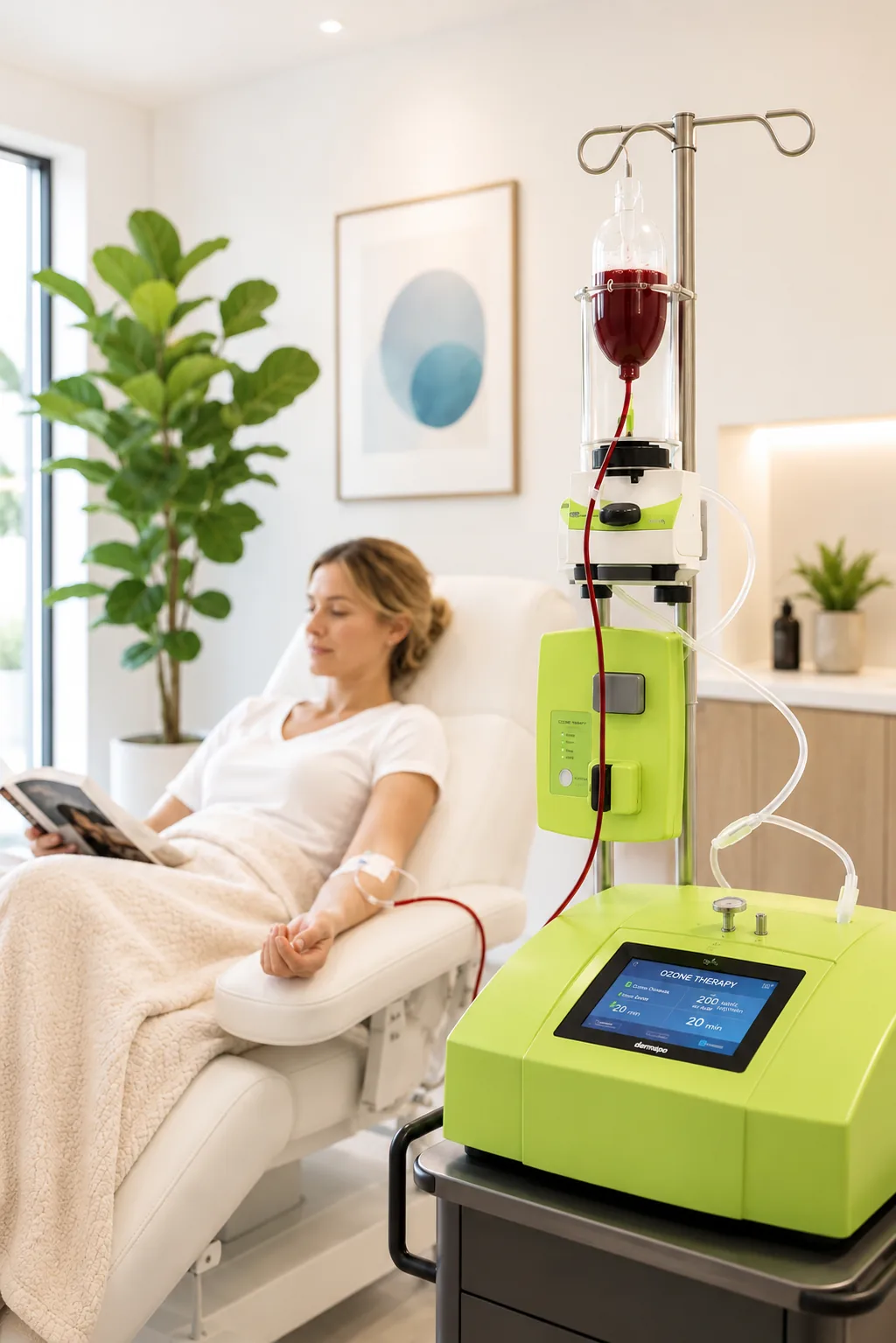
Major Autohemotherapy (IV): A small amount of the patient’s blood is withdrawn, mixed with ozone, and reintroduced into the bloodstream.
This allows the ozone to circulate throughout the body, reaching most organs, including the liver.
Insufflation: A specialized device introduces ozone gas into the rectum/vagina.
The ozone is absorbed through the intestinal/vaginal wall, entering the bloodstream, and reaching the liver indirectly.
Ozonated Water: Water is infused with Ozone gas.
Drinking the water allows the ozone to reach the liver through the digestive system.
Limb Bagging: A limb or extremity is sealed in a bag, and ozone gas is introduced.
This method facilitates the local application of ozone, benefiting specific areas affected by liver-related conditions and pains.
Increased oxygen utilization at the cellular level, promoting cellular energy production.
Modulation of immune responses leads to enhanced immune function.
Activation of antioxidant enzymes, reducing oxidative stress, and therefore aging.
Stimulation of circulation and oxygenation, aiding in detoxification processes.
Neutralizes toxins (alcohol, medication, free radicals)
The liver acts as a natural filter, neutralizing toxins and waste products from the blood, metabolizing nutrients, and synthesizing essential proteins. Moreover, the liver regulates cholesterol levels, stores vitamins, and minerals, and produces bile for digestion.
Liver conditions such as viral hepatitis, non-alcoholic fatty liver disease (NAFLD), liver cirrhosis, and liver cancer can have detrimental effects on overall health and well-being. Understanding the significance of maintaining and improving liver health via novel therapies is crucial for managing liver-related conditions and improving overall health.
Ozone therapy enhances liver function by aiding detoxification, increasing antioxidant effects, decreasing inflammation, and modulating the immune system. It offers multiple benefits for liver health.
Liver Function: Ozone therapy improves liver function by promoting optimal cellular metabolism of toxins and supporting cellular regeneration.
Detoxification Process: Ozone therapy facilitates the removal of harmful substances from the liver by increasing blood flow and oxygenation.
This leads to improved detoxification processes, helping to eliminate waste products more efficiently.
Antioxidant Capacity: Ozone therapy stimulates the production of endogenous antioxidants, such as superoxide dismutase and glutathione.
This protects the liver against cell damage (like liver cirrhosis) and aging.
Oxidative Stress: Ozone therapy reduces oxidative stress in the liver by neutralizing free radicals and reactive oxygen species.
It helps restore the balance between oxidants and antioxidants, preventing cellular damage.
Inflammatory Responses: Ozone therapy suppresses inflammatory responses in the liver by inhibiting the release of pro-inflammatory cytokines.
This reduces inflammation and prevents further damage to liver cells.
Liver Inflammation: Ozone therapy has a calming effect on liver inflammation, reducing swelling and promoting healing.
It supports the liver in recovering from inflammatory conditions, such as hepatitis or liver cirrhosis.
Immune Response: Ozone therapy stimulates the immune response, activating immune cells to target pathogens and damaged cells in the liver.
It enhances the body’s natural defense mechanisms against liver infections and diseases.
Immune Function in Liver Diseases: Ozone therapy modulates the immune system in liver diseases, promoting a balanced immune response.
It helps regulate immune activity, preventing excessive inflammation and autoimmune reactions.
Ozone therapy, a promising therapeutic approach, has shown potential in managing various liver conditions.
Hepatitis B & C: Ozone therapy shows promise as adjunctive therapy for Hepatitis B and C treatment by supporting liver function and reducing viral load (RESEARCH).
It may enhance the effectiveness of antiviral treatment, suppress viral replication, mitigate side effects, and aid in liver recovery.
Non-Alcoholic Fatty Liver Disease (NAFLD): Ozone therapy offers potential benefits for NAFLD by improving liver metabolism, reducing inflammation, and enhancing antioxidant capacity.
It may help reduce fat accumulation in the liver, improve liver enzyme levels, and support overall liver health.
Liver Cirrhosis Ozone therapy has shown promise in liver cirrhosis management by promoting liver regeneration, reducing inflammation, and enhancing liver function.
It may alleviate symptoms, slow disease progression, and improve the quality of life in cirrhotic patients.
Liver Cancer Ozone therapy may have potential benefits in liver cancer management.
It can support the immune system, reduce tumor size, and enhance the efficacy of conventional treatments like chemotherapy and radiotherapy.
Further scientific research is required to fully discover and understand the efficacy and safety of ozone therapy in these specific diseases.
While ozone therapy holds promise in promoting liver health and managing liver conditions, it is essential to be aware of potential side effects, appropriate dosages, administration methods, and the importance of seeking treatment from qualified healthcare professionals. All in all, this article explores these crucial aspects of ozone therapy.
Ozone therapy may have potential side effects, including fatigue, headache, dizziness, and minor respiratory irritation.
These side effects are usually mild and transient, resolving on their own without significant complications.
Ozone therapy should be administered by healthcare professionals experienced in its use.
The appropriate dosage and administration method depends on the specific condition being treated and the patient’s individual needs.
It is crucial to seek ozone therapy from qualified healthcare professionals who have received appropriate training and have experience in its administration.
They can assess the patient’s medical history, determine the most suitable treatment plan, and ensure the therapy is performed safely and effectively.
To summarise, while ozone therapy offers potential benefits for liver health, it is essential to consider potential side effects, adhere to appropriate dosages and administration methods, and seek treatment from qualified healthcare professionals. This ensures the therapy is conducted safely and controlled, maximizing its potential benefits while minimizing any risks or adverse effects.
Ozone therapy promotes enhanced liver function, supporting optimal cellular metabolism and regeneration.
It aids in the liver’s detoxification processes, improving the elimination of toxins and waste products.
Ozone therapy increases the liver’s antioxidant capacity, reducing oxidative stress and protecting against damage.
It possesses anti-inflammatory properties, suppressing inflammatory responses and alleviating liver inflammation.
Ozone therapy modulates the immune system, stimulating immune responses and enhancing immune function in liver diseases.
Potential Future Application in Liver Treatments:
Ozone therapy holds potential as a complementary approach in the treatment of liver conditions, such as viral hepatitis, non-alcoholic fatty liver disease (NAFLD), liver cirrhosis, and liver cancer.
Its multifaceted benefits, including liver regeneration, anti-inflammatory effects, and immune modulation, make it a promising candidate for future liver treatments.
Ozone therapy may be used with conventional therapies to enhance their effectiveness, reduce side effects, and improve overall treatment outcomes.
Further research and clinical trials are essential to investigate ozone therapy’s efficacy, safety, and optimal protocols for liver health.
Rigorous studies will help establish evidence-based guidelines, refine treatment protocols, and broaden the application of ozone therapy in liver treatments.
Encouraging collaboration between researchers, healthcare professionals, and regulatory bodies is vital to advance the field and fully unlock the potential of ozone therapy for liver health.
Discover the latest updates on wellness trends and practices in our blog column.
Interested in this therapy?
Speak to our team to find out how we can help with your specific needs.
Book NowSearch Articles
Categories
Recent Posts
Molecular Hydrogen For Sports
February 5, 2025
Ozone Therapy and Cancer Care
February 5, 2025
Ozone Therapy in Gynaecology
February 5, 2025
From Muscle Gains to Better Skin: The Magic of IV Amino Acids
January 23, 2025
Understanding IBS: Symptoms, Root Causes, and Solutions to Better Gut Health
January 15, 2025